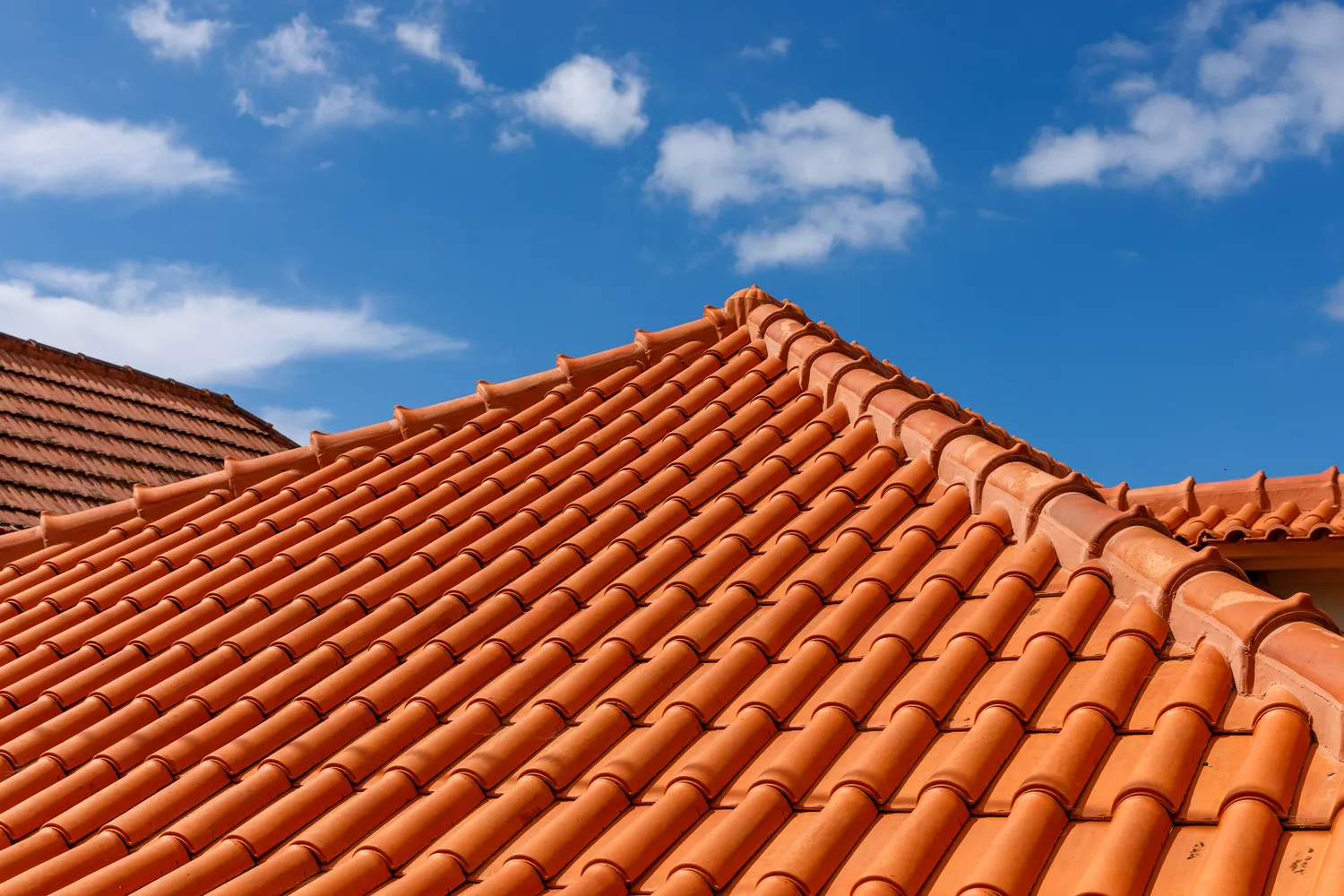
Roofing materials are expected to withstand rain, snow, wind, sunlight, and changing temperatures, but fire performance is another factor homeowners should consider. While no roofing decision can eliminate every risk to a property, selecting appropriate materials can contribute to a safer overall building envelope. Synthetic slate roofing Schaumburg offers several characteristics that make it worth considering for homeowners who prioritize both appearance and protection.
One important factor is fire classification. Roofing products can be evaluated according to standardized fire tests, but ratings differ between materials and manufacturers. Certain synthetic slate roofing products and assemblies may qualify for strong fire-resistance ratings. Homeowners should verify the classification of the exact product rather than assuming that all synthetic slate performs the same way.
It is equally important to understand that the finished roofing assembly matters. The visible synthetic slate is only one layer of protection. Underlayment, roof decking, installation methods, and other components can influence the performance of the completed system. Contractors should follow manufacturer instructions and applicable building codes when constructing the roof.
Why does this matter? Exterior fire exposure can occur in several ways. Wind-blown embers, sparks from nearby fires, and heat from surrounding structures can potentially reach a roof. Roof edges, valleys, gutters, vents, and other transitions can become particularly important areas.
Maintenance can strengthen the overall safety strategy. Gutters filled with dry leaves and roof valleys covered with debris create unnecessary combustible material around the house. Homeowners should periodically remove leaves, branches, pine needles, and other buildup. Trees that overhang the roof should also be maintained when appropriate.
Synthetic slate roofing offers benefits related to severe weather as well. Depending on the product, synthetic slate may provide strong resistance to hail and other impacts. A durable roof surface is less likely to develop damage that could compromise protection against moisture.
Wind resistance can further improve overall roof reliability. High winds may lift or displace poorly secured roofing materials. Selecting a suitable synthetic slate product is only part of the solution. Proper fastening and installation are equally important.
Another safety-related advantage is weight. Natural slate is beautiful and exceptionally durable, but it is also extremely heavy. Some houses require structural evaluation or reinforcement before natural slate can be installed. Synthetic slate roofing provides a slate-style appearance while typically weighing considerably less.
Homeowners should discuss all these characteristics with an experienced roofing contractor before selecting a system. Ask about fire classification, impact ratings, wind performance, warranty requirements, underlayment, and installation procedures. If a contractor makes broad claims without identifying the specific product or testing information, homeowners should request additional documentation.
Safety is never based on one roofing feature alone. It comes from selecting suitable materials, following correct installation procedures, keeping the system properly maintained, and addressing surrounding hazards. Synthetic slate roofing can support this approach while also providing the attractive appearance and durability homeowners expect from a premium roof.