Composite Decking 101: How Wood and Plastic Became a Backyard Favorite
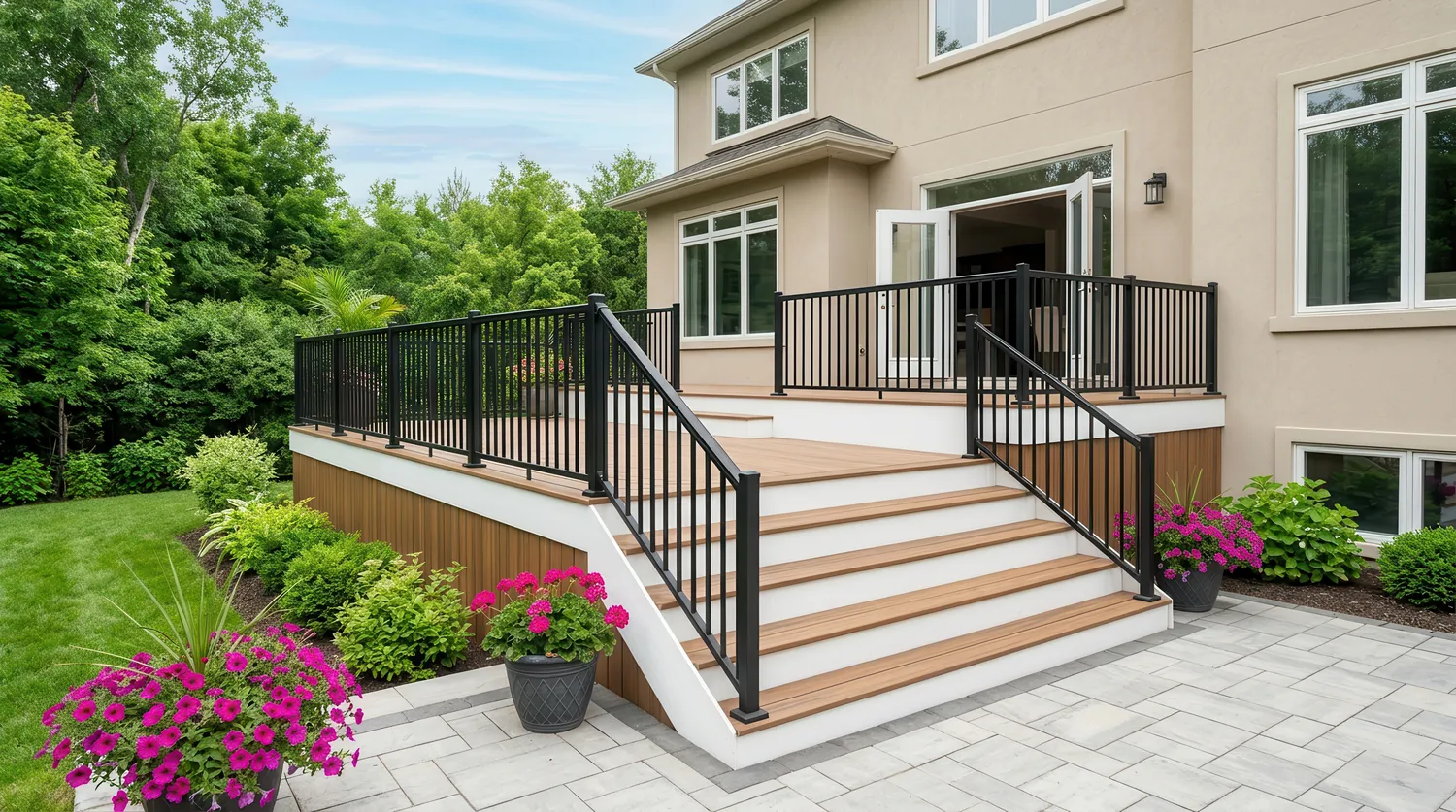
Walk through almost any neighborhood built or renovated in the last two decades and you’ll notice decks that look like wood but never seem to fade, splinter or need a fresh coat of stain. Those boards are usually composite, one of the most interesting materials in modern home building. Here’s how it works, where it came from and why it has become so popular.
A Material Born From Leftovers
Composite decking started with a simple idea: combine two waste streams into something useful. Sawmills produce huge amounts of sawdust and wood shavings, and households throw away mountains of plastic film from grocery bags and packaging.
In the 1990s, manufacturers began blending the two. They heated the mix and pushed it through a shaped die, a process called extrusion. The result was a board that looked like lumber but behaved more like plastic.
Early boards were far from perfect. Some faded quickly, others developed mold spots, and a few swelled when water got into the exposed wood fibers. But each generation improved, and by the 2000s composite had gone from a novelty to a mainstream choice.
What’s Inside a Modern Board
Most composite boards today have two main ingredients:
- Wood fibers, often finely ground “wood flour,” which add stiffness and a natural texture.
- Polymers, usually polyethylene or polypropylene, which bind everything together and keep moisture out.
Pigments, UV inhibitors and other additives control color and fading. Many boards contain a large share of recycled material, which makes composite one of the more interesting recycling success stories in construction.
The Big Leap: Capping
The most important improvement came in the late 2000s with “capped” composite. A capped board has a tough polymer shell wrapped around its core, a bit like the coating on a candy. That shell protects the wood fibers from moisture, stains and fading far better than earlier uncapped boards could.
If you are researching composite decking near me Chicago options, capping is one of the first things worth asking about. Many older decks in the city were built with uncapped boards, and the difference in how they have aged is often easy to see.
Why Composite Works Well in Cold Climates
The Chicago area is a tough place for outdoor materials. Long winters, heavy snow, humid summers and frequent freeze-thaw cycles all punish natural wood. A capped composite board absorbs very little water, so it is much less vulnerable to the splitting and checking that happen when moisture freezes inside wood.
That said, composite is not immune to weather. It expands and contracts with temperature, sometimes more noticeably along its length than wood does. That’s why installation details like the gaps at board ends matter so much. A board installed tightly on a cold day may buckle on a hot one.
Myths and Facts
- Myth: Composite is maintenance-free. In fact, it is low-maintenance, not no-maintenance. It still needs occasional cleaning to stop mildew from growing on dirt and pollen.
- Myth: It looks fake. Modern boards have embossed grain patterns and multi-tone coloring that can be hard to tell from real wood at a glance.
- Myth: Composite boards hold up the deck. The boards are only the surface. The frame underneath is usually pressure-treated wood or, increasingly, steel or aluminum.
Heat, Weight and Other Trade-Offs
Composite has a few quirks worth knowing:
- Heat. Dark boards can get very hot in direct summer sun, so lighter colors are popular for south-facing decks.
- Weight. Composite is heavier than most softwood lumber.
- Joist spacing. It typically needs joists set closer together, often 16 inches apart or less, to prevent sagging.
These details are part of why careful planning matters more with composite than with a simple wood deck.
Is Composite Worth It?
Upfront, composite usually costs more than pressure-treated wood. Over time, though, the math often shifts. A wood deck needs cleaning, sanding and staining every few years, and those costs add up, while composite skips most of that work. Many manufacturers back their boards with long warranties, sometimes 25 years or more, which shows how confident they are in the material.
For many homeowners, the real value isn’t just financial. It’s the freedom to spend summer weekends enjoying the deck instead of working on it.
Getting Started
If you’re considering a new deck or replacing old boards, start by thinking about three things:
- How you use the space
- How much sun it gets
- How much upkeep you’re willing to handle
A search for composite decking near me Chicago can help you compare materials, colors and styles in person, which always beats judging a board from a photo.
Composite began as a clever way to reuse leftovers. Today it’s one of the most practical ways to enjoy an outdoor space for decades with very little effort.