The Art and Science of Microblading Eyebrows: What Chicago Clients Are Asking
Eyebrows have gone through dramatic swings in fashion, from the pencil-thin arches of the 1990s to today’s full, feathery, natural look. As trends have shifted toward fuller brows, microblading has become one of the most sought-after ways to achieve them without daily effort. Whether you overplucked years ago or simply have naturally sparse arches, understanding how the process works helps set realistic expectations. Here is what to know before exploring microblading eyebrows Chicago services.
Brow mapping is where the magic begins
Before any pigment touches the skin, a skilled artist maps the brows using measurements based on facial proportions. The classic approach draws lines from the edge of the nose to the inner corner of the eye for the brow’s starting point, through the pupil for the arch and to the outer corner of the eye for the tail. Modern artists also consider how the face moves, asymmetry in bone structure and the client’s personal style. This mapping stage often takes longer than the actual microblading.
Every stroke follows hair growth patterns
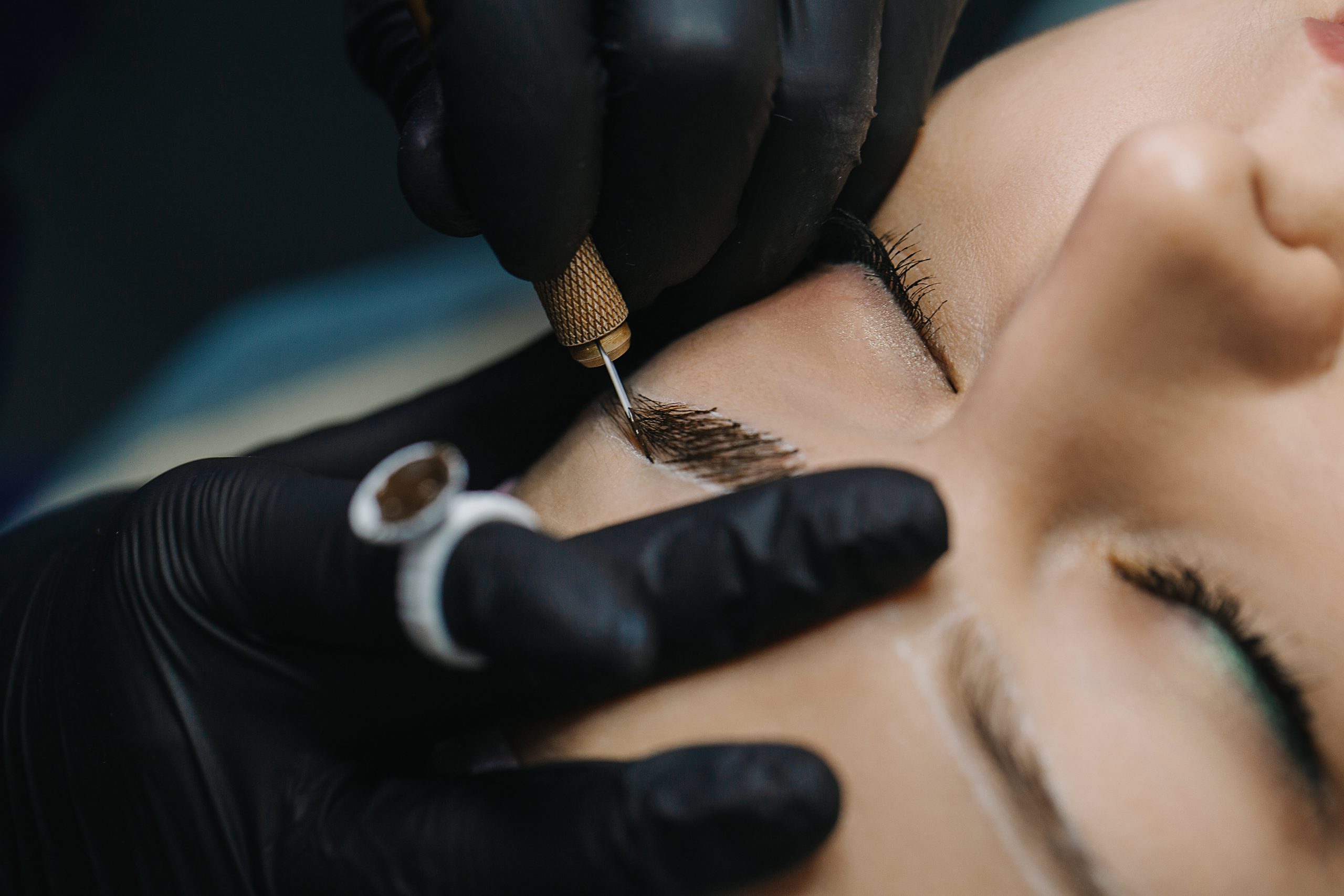
Natural eyebrow hairs do not grow in a single direction. They point upward at the inner edge, angle outward through the middle and sweep downward at the tail. Realistic microblading replicates this flow with strokes of varying length and curve. Artists study the client’s existing hairs and continue the pattern seamlessly, which is why the best results are almost undetectable up close.
There are several techniques under one name
Classic microblading uses crisp individual strokes. Powder brows, sometimes called ombré brows, create a soft, filled-in look similar to brow makeup and are often performed with a machine. Combination brows blend both, using strokes at the front for a natural start and shading toward the tail for definition. Nano brows use an extremely fine single needle to create hair strokes with a machine, offering more precision on some skin types. Choosing the right method depends on skin type, existing hair and the desired finish.
Numbing makes it more comfortable than expected
Most people describe the sensation as light scratching rather than pain. A topical numbing cream is applied before the procedure and often reapplied during the session. Sensitivity varies by individual, and factors such as caffeine, alcohol, menstruation and stress can heighten it. Arriving relaxed and well-hydrated makes a noticeable difference.
Healing follows a predictable curve
Fresh brows look sharp and dark on day one. Between days three and seven, light flaking begins as the skin renews. Around day ten, the brows may look patchy or faded, a phase sometimes called the “ghosting” stage. By week four to six, the pigment resurfaces in its true softened shade. Knowing this timeline in advance prevents unnecessary worry during the in-between days.
Aftercare shapes the final result
For roughly ten days after the session, brows should be kept away from excessive moisture, sweat, makeup and sun. Picking at flakes can pull pigment out and create gaps. Some artists recommend a dry-heal approach while others provide a light healing balm; following your artist’s specific instructions matters more than generic online advice. Once healed, daily sunscreen helps the color last longer.
Not everyone is a candidate
Pregnancy, certain medications, active skin conditions in the brow area and some autoimmune disorders may make microblading unsuitable, at least temporarily. People who use retinoids or receive chemical peels near the brows may need to pause those treatments. Very oily skin or large pores can cause strokes to blur, in which case a powder or combination technique often produces a cleaner, longer-lasting outcome. An honest artist will tell you if a different method suits you better.
Corrections and cover-ups are possible
Older, discolored or poorly shaped cosmetic tattoos can often be improved. Depending on how much pigment remains, artists may use color correction to neutralize gray or reddish tones, lighten old work with saline removal or redesign the shape over faded lines. This is more complex than fresh microblading and requires an experienced hand.
Questions worth asking
When looking into microblading eyebrows Chicago artists, ask about training, hygiene, pigment brands and how they handle different skin types. Look closely at healed photos taken months after the procedure, since fresh results always look impressive. A thoughtful artist will spend time listening to what you want before drawing a single line.
Microblading eyebrows is equal parts geometry, artistry and skin science. When those elements align, the result is a set of brows that look like they were always yours, only better.