The Low Taper Fade: Why It’s the Haircut Everyone Is Asking For
Walk into almost any barbershop in America right now and there’s a good chance the guy in the chair ahead of you just asked for a low taper fade. Ask any experienced barber Chicago to New York and they’ll tell you it has become one of the most requested men’s haircuts in the country. It’s clean, versatile, low-maintenance, and works on nearly every hair type. If you’ve been thinking about trying it, here’s everything you need to know before your next appointment.
What Is a Low Taper Fade?
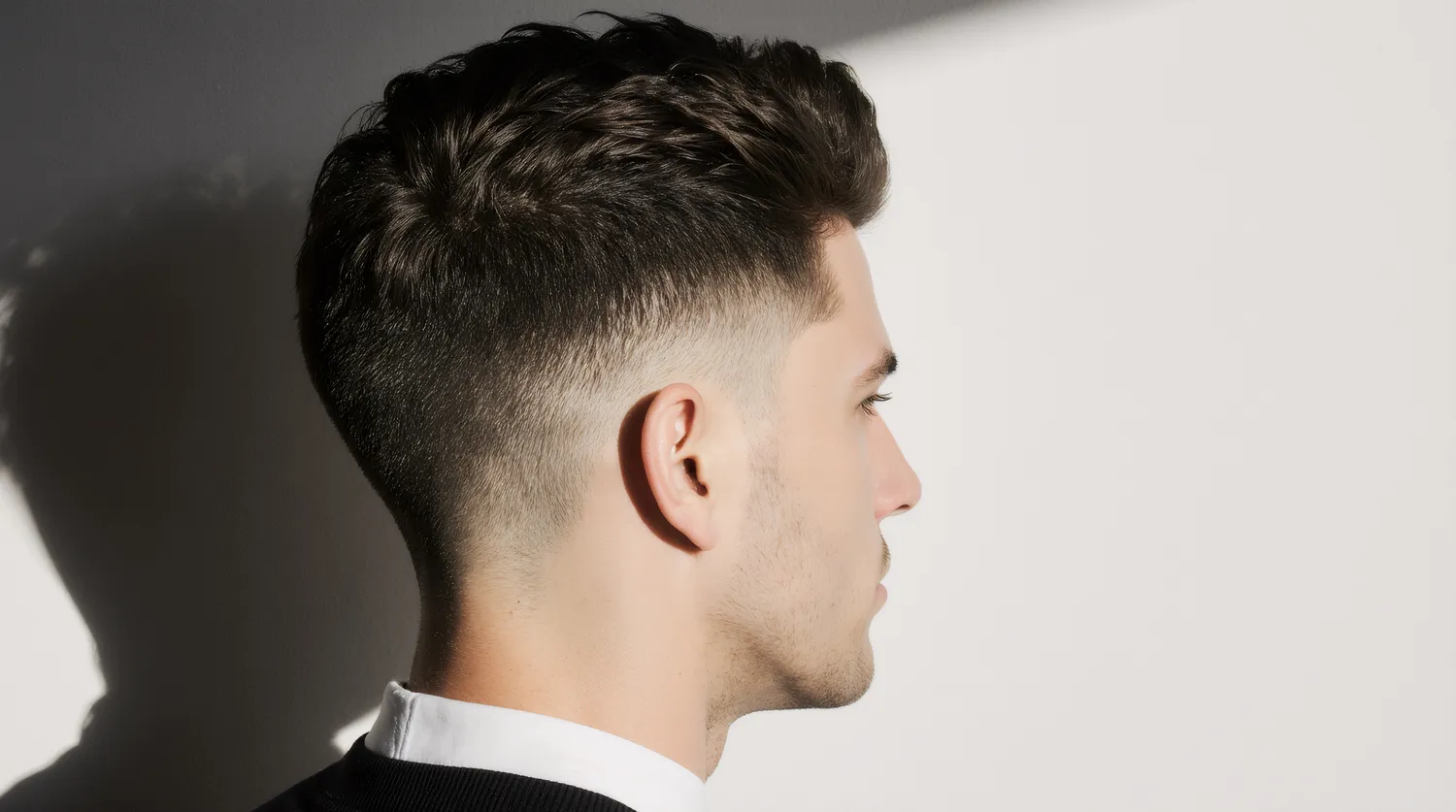
A low taper fade is a haircut where the hair gradually gets shorter as it moves down the sides and back of the head, but only in a small area just above the ears and along the neckline. The word “low” refers to where the fade starts: close to the natural hairline, not halfway up the head.
The “taper” part means the transition is subtle. Instead of shaving the sides down to bare skin across a wide area, a taper keeps most of the length on the sides and only tightens things up around the edges. The result looks sharp and intentional without being dramatic.
Taper vs. Fade: What’s the Difference?
People use these words interchangeably, but barbers don’t. A fade usually takes the hair down very short, often to the skin, and covers a larger portion of the sides. A taper is more conservative: it shortens the hair gradually but typically leaves some length, focusing on the sideburns and nape.
A low taper fade blends both ideas. You get the clean, gradient finish of a fade, but kept low and tight so it doesn’t overpower the rest of the haircut. That makes it a great middle ground for anyone who wants something modern but still office-appropriate.
Low vs. Mid vs. High Fade
The height of the fade changes the whole look.
A low fade starts just above the ears and is the most subtle option. It’s perfect if you want a polished look that grows out gracefully.
A mid fade begins around the temples, roughly halfway up the sides. It creates more contrast and is a popular choice for guys who want a bolder style without going extreme.
A high fade starts near the top of the head and creates the most striking contrast between the sides and the top.
If you’re unsure, the low taper is the safest place to start. You can always go higher on your next visit.
Why the Low Taper Fade Is So Popular
It works with almost any hairstyle on top. Curly hair, waves, textured crops, longer flow, twists, even a messy fringe all pair well with a low taper because it frames the top without competing with it.
It grows out well. Because the fade sits low, the haircut still looks decent two or three weeks after your appointment. High fades tend to look shaggy much faster.
It suits most face shapes. Keeping the sides fuller makes it flattering for round and oval faces, while the clean edges add structure to softer features.
It’s versatile. It looks just as good at a wedding as it does at the gym.
How to Ask Your Barber for It
Communication is everything. Say “low taper fade” and then get specific: tell your barber how much length you want to keep on top, whether you want the fade to go down to the skin or stay at a short guard length, and whether you want a sharp line-up or a more natural edge. Bringing a reference photo on your phone helps a lot, since every barber interprets terms slightly differently.
Maintenance Tips
To keep a low taper fade looking crisp, plan on a touch-up every two to four weeks. That’s why it pays to have a reliable spot close by. A quick search for a men’s haircut near me Chicago or wherever you live makes regular cleanups much easier to stick to. In between visits, wash your hair regularly, use a lightweight product on top (a matte paste or sea salt spray works well for texture), and avoid trying to clean up the neckline yourself. A shaky hand with a trimmer is the fastest way to ruin a good fade.
Finding the Right Barber
A low taper fade looks simple, but blending it smoothly takes real skill. The difference between an average fade and a great one is all in the transitions, so it’s worth finding someone who does them every day. Before booking, look at the shop’s photos and reviews and pay attention to how clean the blends look up close. A good barbershop Chicago or any other city should have a portfolio full of tapers and fades, and its barbers should be able to explain which fade height suits your hair and face shape.
The Bottom Line
The low taper fade has earned its spot as one of the most popular haircuts in America. It’s clean without being severe, modern without being trendy for trend’s sake, and easy to live with between appointments. Whether you’re switching up your look or just want a sharper version of what you already have, it’s a cut that rarely disappoints, as long as it’s in the right hands.