Top to Bottom, Clean to Dirty: The Unwritten Rules of Professional Cleaning
To a casual observer, cleaning a building looks like a matter of effort. In practice it is a matter of sequence. Commercial cleaning follows a set of principles that are rarely written on any wall, yet they explain why a professionally cleaned room stays clean longer than one that was merely worked over.
Rule One: Gravity Wins
Dust falls. Anything disturbed on a high shelf, a light fixture, or the top of a door frame ends up on the surfaces below. For that reason the work always starts high and ends at the floor. Vents and ledges come first, then furniture and counters, then baseboards, and finally the floor itself. Reversing the order means cleaning the same floor twice.
Rule Two: Dry Before Wet
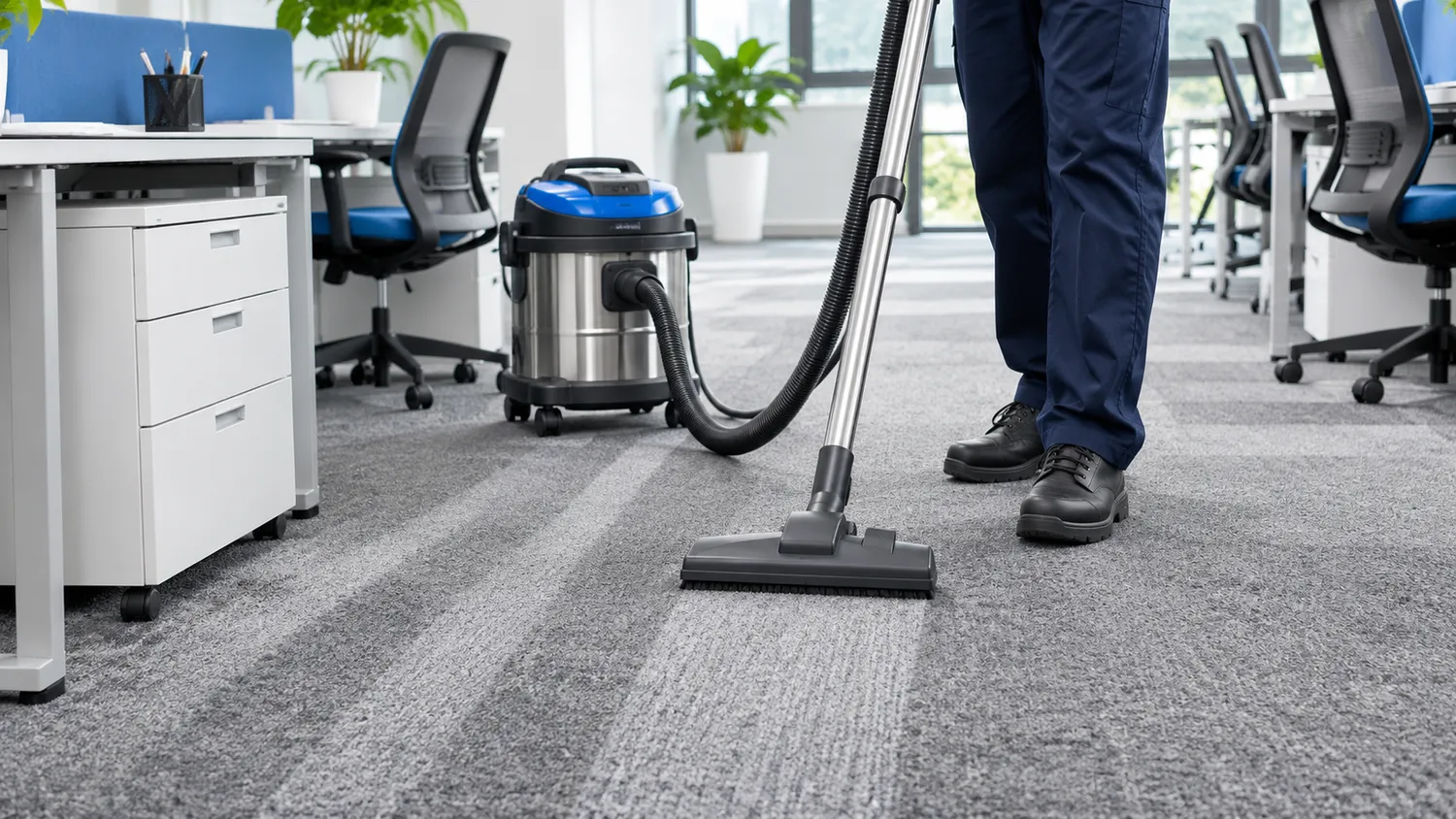
Most of the soil in a building is dry: dust, grit, lint, and crumbs. Dry soil is easy to remove while it stays dry and hard to remove once it has been turned into mud. A floor is therefore swept or vacuumed before it is mopped, and a surface is dusted before it is wiped with solution. Skipping the dry step is the most common reason for streaky floors and smeared desks. It is a small insight, but it underlies much of what a person finds after searching for commercial cleaning near me Deerfield.
Rule Three: From Clean to Dirty
Within any room, the work moves from the least soiled areas to the most soiled. In a restroom that means mirrors and dispensers first, sinks and counters next, and toilets and urinals last. The logic is simple. A cloth or mop always carries some of what it has touched, so it should travel toward the dirt and never away from it.
The same idea governs the direction of a wipe. A surface is wiped in overlapping strokes that move in one direction, often in an S-shaped pattern, and never scrubbed back and forth. Going back over a cleaned area with a loaded cloth simply returns soil to it.
Rule Four: One Color, One Job
Cross-contamination is controlled with color. Under a widely used convention, cloths and mops are assigned by color to different areas: one color for toilets and urinals, another for sinks and other restroom surfaces, another for food areas, and another for general spaces such as offices. The colors make a mistake visible at a glance. A restroom cloth on a desk is obviously out of place.
The details of the scheme vary from one organization to another. What matters is that the scheme exists and is followed in every room. It is among the first things worth recognizing when comparing descriptions of commercial cleaning near me Northbrook.
Rule Five: Eight Sides to a Cloth
A cleaning cloth is folded in half and then in half again. That gives eight separate faces, four on each side. One face is used until it is soiled, then the cloth is refolded to expose a fresh one. A crumpled cloth, by contrast, offers one uneven face and spreads whatever it picked up first. When all eight sides have been used, the cloth goes into the laundry bag and not back into the solution.
A related habit concerns the spray bottle. Around keyboards, screens, and switches, the solution is sprayed onto the cloth and not onto the surface, so that liquid never runs into electronics.
Rule Six: Give Chemistry Time
Cleaning depends on four factors that trade off against one another: time, agitation, chemistry, and temperature. If one is reduced, another must increase. The factor most often shortchanged is time. A product sprayed and wiped away at once has barely begun to work.
This matters most with disinfectants. Each one must remain wet on a surface for the contact time stated on its label, which can be several minutes. Visible soil has to be removed first, because dirt shields microbes and uses up the active ingredient. Cleaning and disinfecting are separate steps, done in that order.
Rule Seven: Always the Same Route
A room is worked in a fixed direction, usually around the walls from the door and back to it, with the center done last. The route is the same every time. Consistency is what prevents the forgotten window ledge and the missed bin. It also makes problems easier to trace, since any gap points to a specific step.
Attention is concentrated on high-touch points: door handles, push plates, light switches, handrails, elevator buttons, tap handles, and shared equipment. These small areas carry far more traffic than the broad surfaces around them. That emphasis is a useful marker of quality for anyone weighing what turns up under commercial cleaning near me Highland Park.
Rule Eight: Rotate the Details
Some tasks do not need to be done daily but cannot be ignored forever: vents, blinds, the tops of partitions, chair bases, the edges of carpet. They are handled on a rotating schedule, a few each visit, so that every part of a building is reached within a set period.
Method Over Effort
None of these rules requires special equipment. They are habits of order: high before low, dry before wet, clean before dirty, one color for one job. Together they explain why the same building can be cleaned in the same amount of time with very different results. Method, more than effort, is the real subject of a search for commercial cleaning near me Lake Forest.